


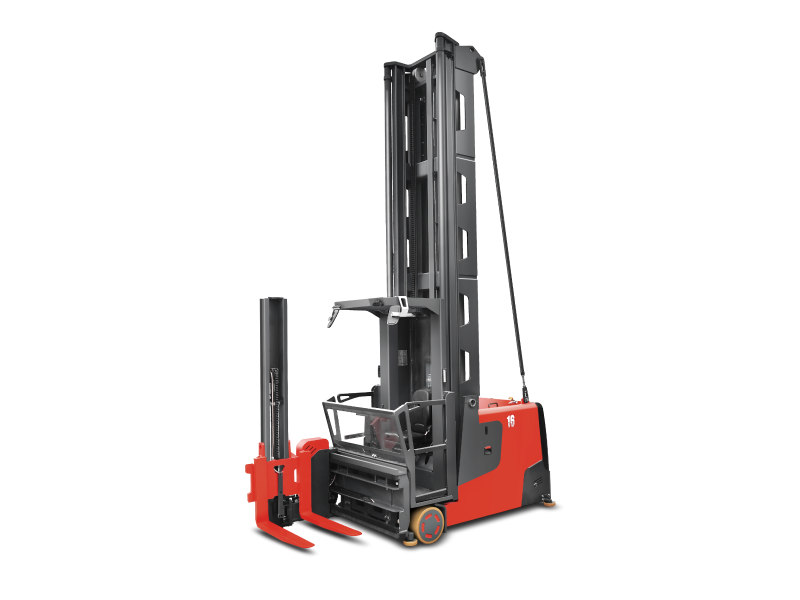
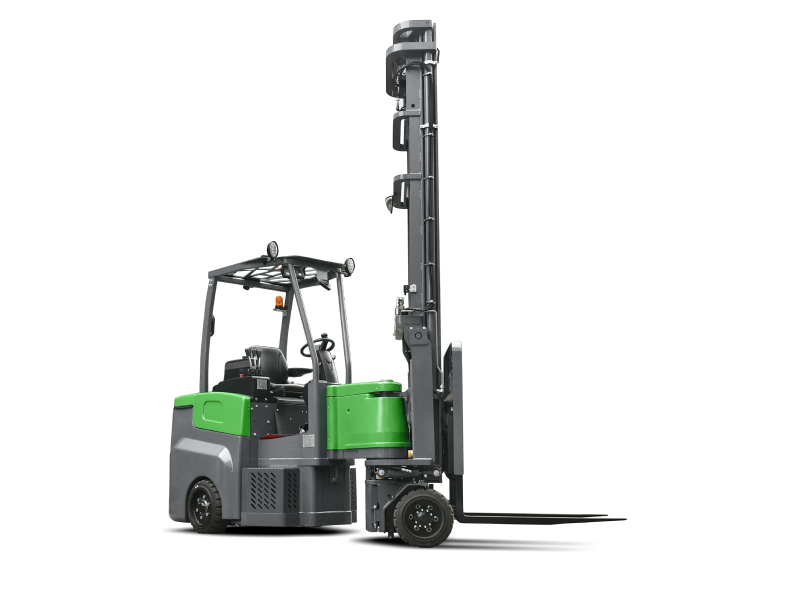
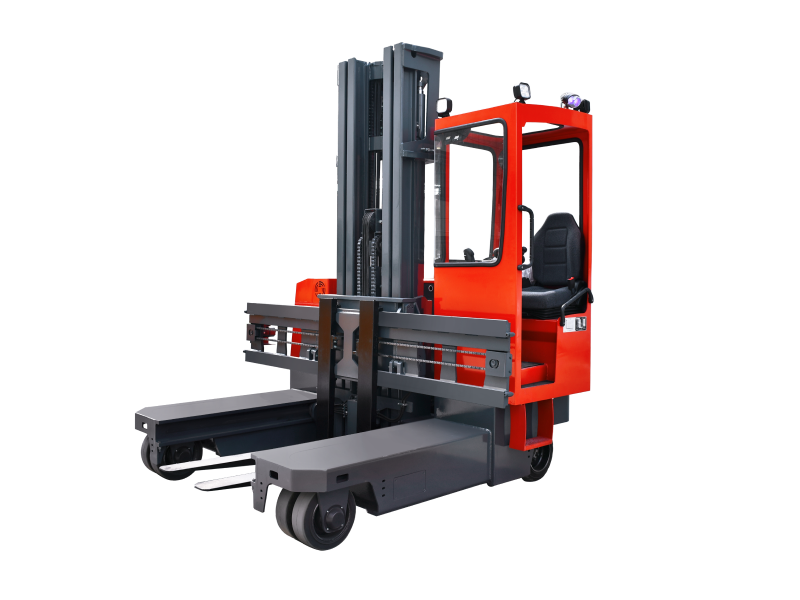
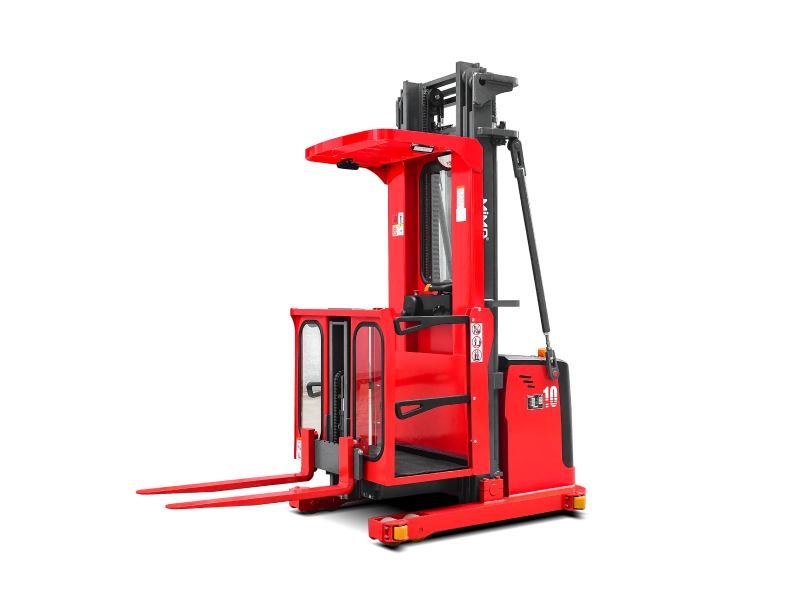
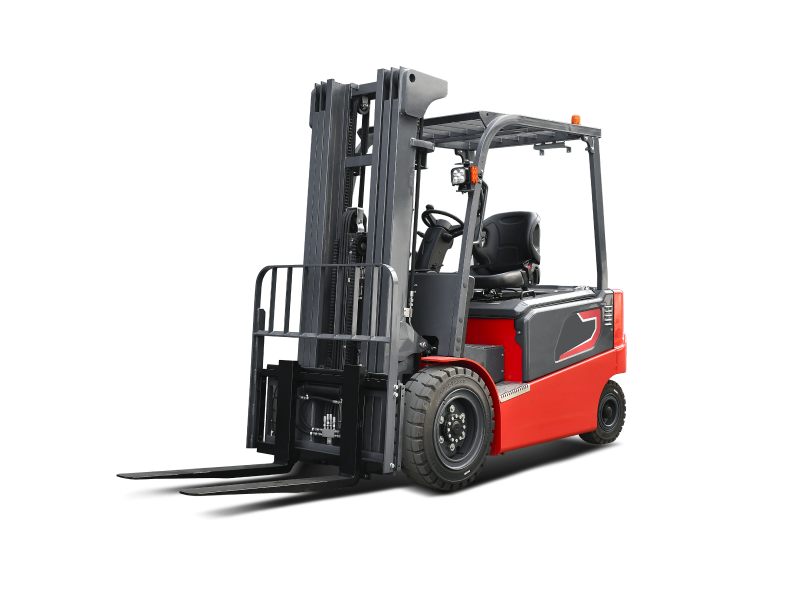
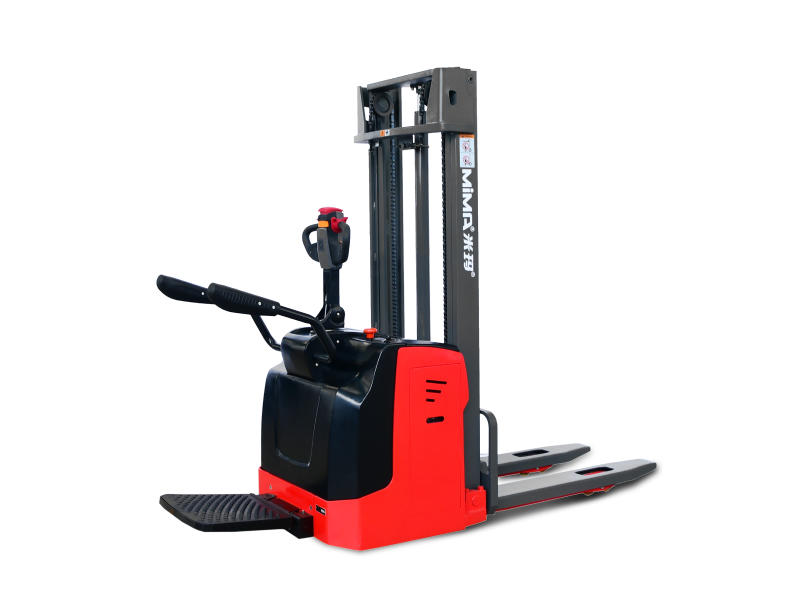
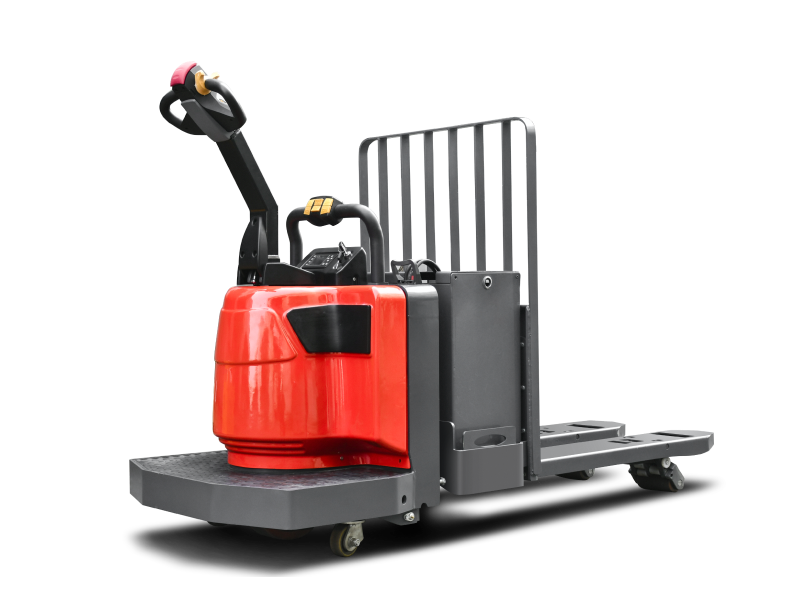
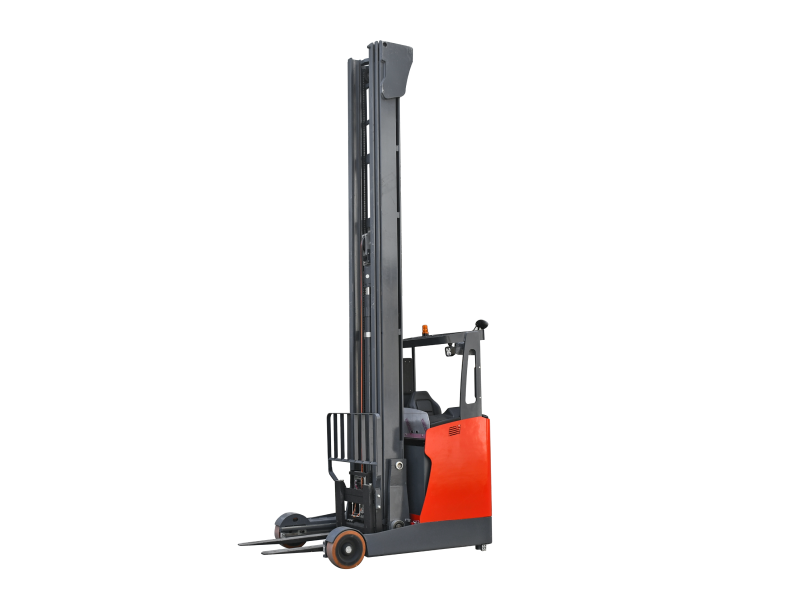
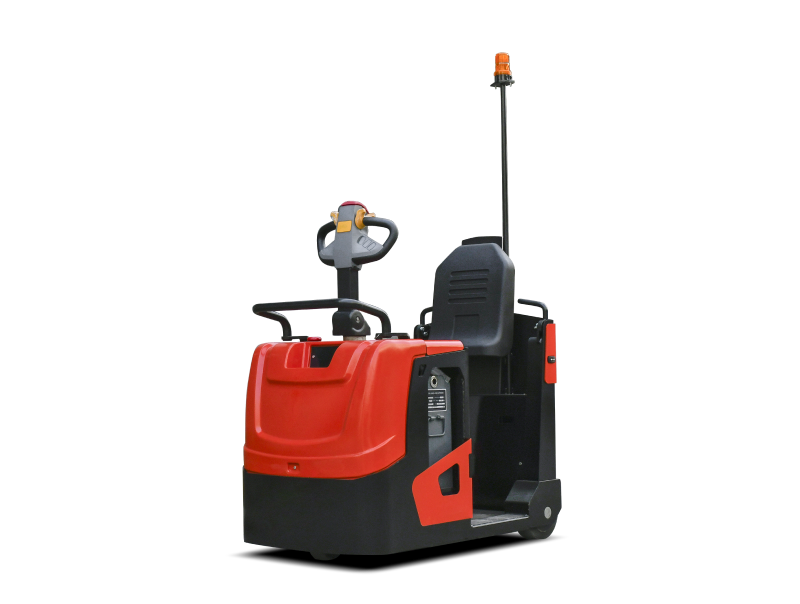
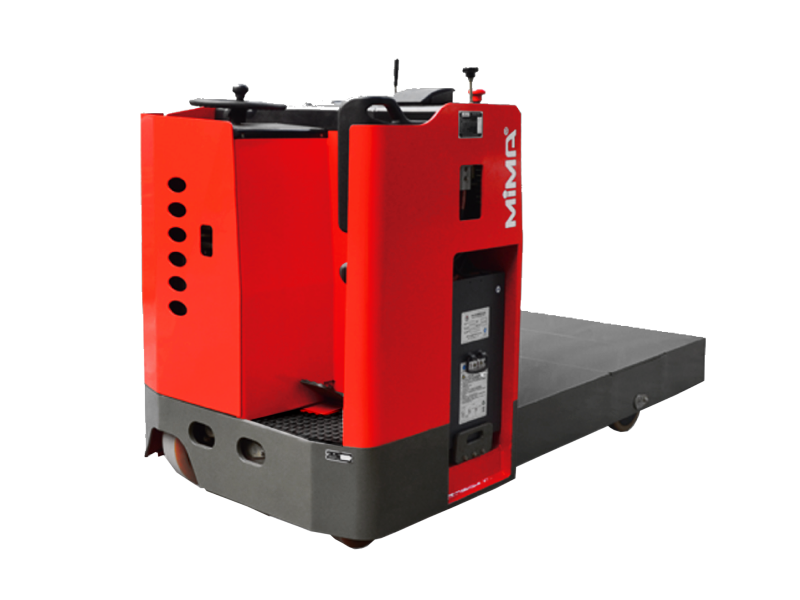
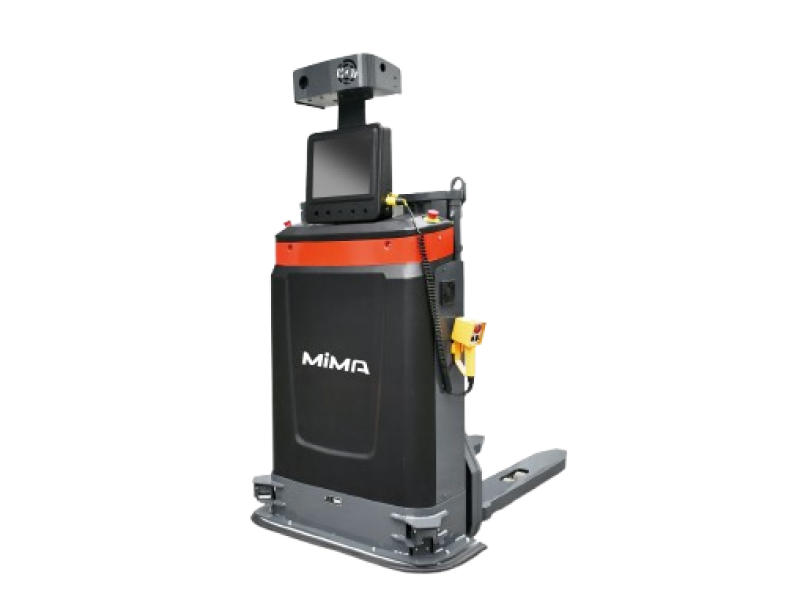



When you look at multi-directional forklift choices, you see some clear good and bad points. You get great turning ability, a design that saves space, and better safety features. But you will pay more at first, need harder repairs, and must have special training.
- The worldwide multi-directional forklift market was $2.1 billion in 2023. Experts think it will grow to $3.8 billion by 2032. This shows people want better ways to move materials.
| Feature | Multi-Directional Forklifts | Standard Forklifts |
|---|---|---|
| Maneuverability | Very good in small aisles | Hard in tight spaces |
| Cost | Usually more expensive | Cheaper |
| Safety | Better safety features | Basic safety features |
You should think about your warehouse space, money, and worker skills before picking a forklift. Ask if these features fit your daily work.
Key Takeaways
- Multi-directional forklifts work well in small spaces. They help drivers move and control the forklift easily in busy warehouses. These forklifts can fit into narrow aisles. This can let you store more pallets, sometimes up to 40% more. Safety features help keep people and products safe. They have 360-degree views and sensors to spot things in the way. These forklifts cost more at first. They also need more complicated care and repairs. You should think about these things before buying one. Operators need special training. This helps them use the forklift safely and well.
Multi-directional forklift advantages
Maneuverability in tight spaces
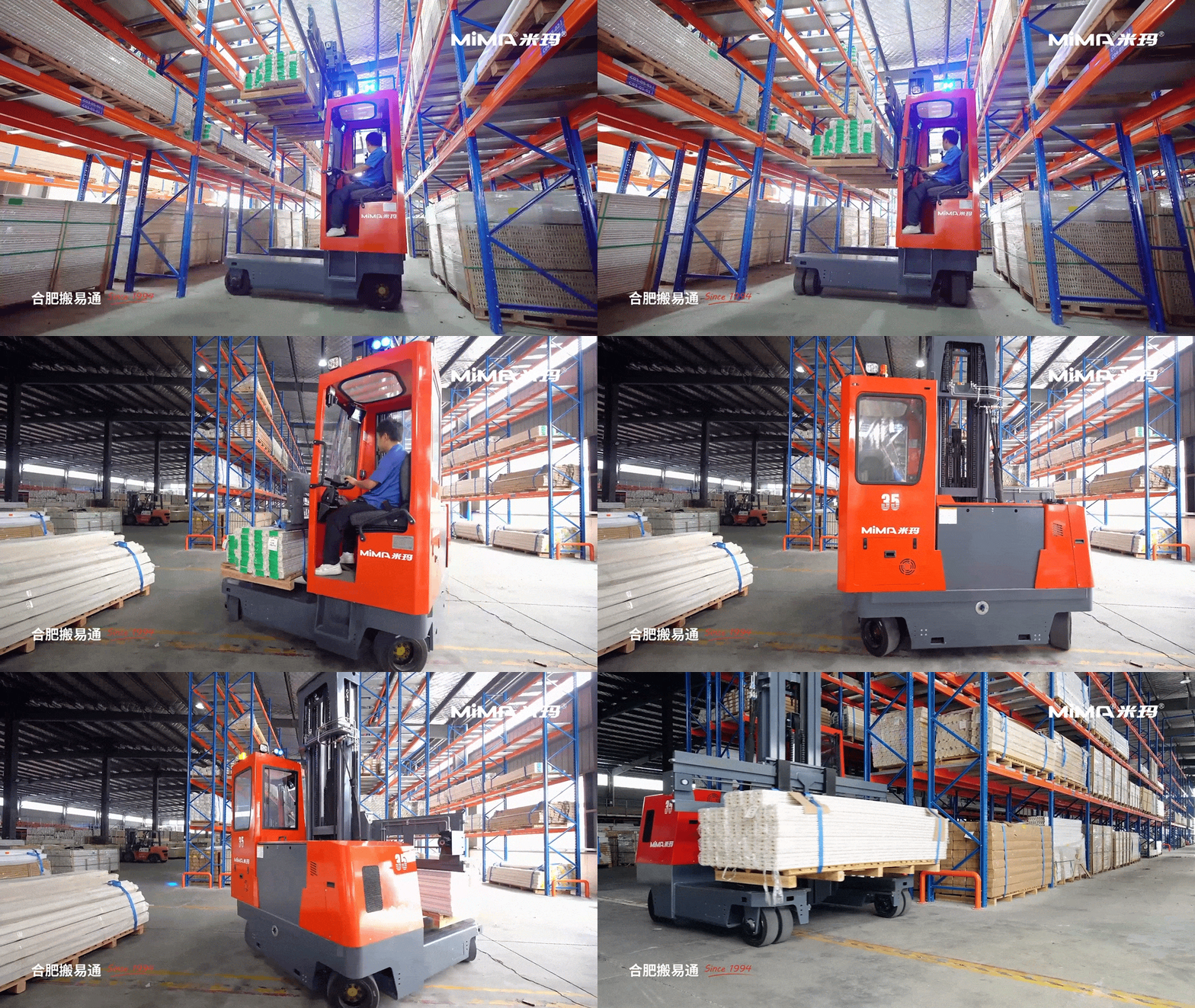
Warehouses can be crowded and have small aisles. Multi-directional forklifts can move forward, backward, sideways, and diagonally. This is possible because of all-wheel drive and a zero turning radius. You can steer around things and turn corners easily.
- Move in different directions for better control
- Turn on the spot to get out of tight places
- Reach areas that regular forklifts cannot
This makes it easier to work in small spaces.
Space optimization
You want to use all the space in your warehouse. Multi-directional forklifts help with that. They work in aisles as narrow as 1.8 meters. Some warehouses fit 40% more pallets after switching.
- Work in very narrow aisles
- Store more items without making the warehouse bigger
- Make aisles up to 50% smaller
Note: You can store more products in the same area. This saves money and gives you more storage choices.
Versatility for long loads
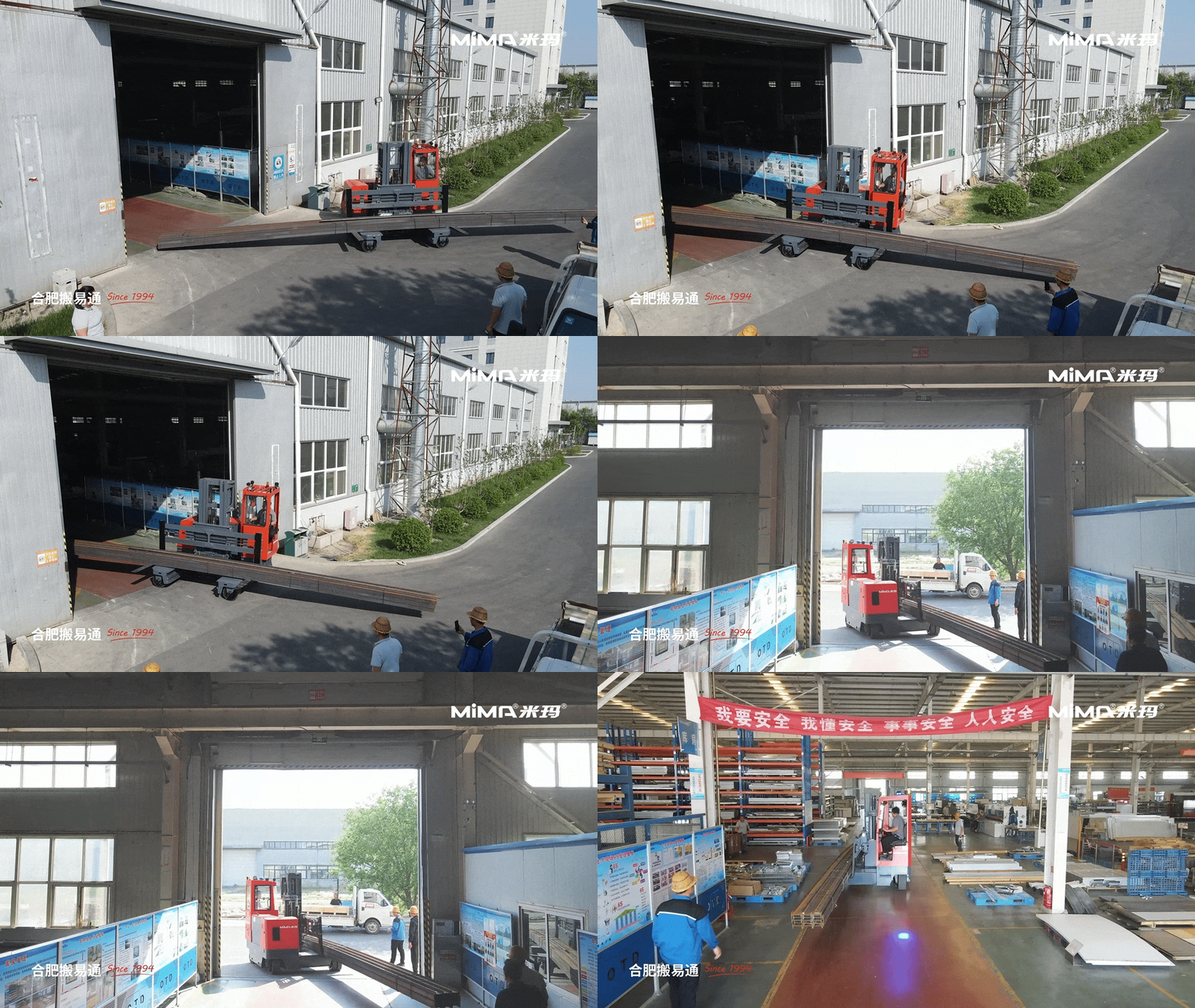
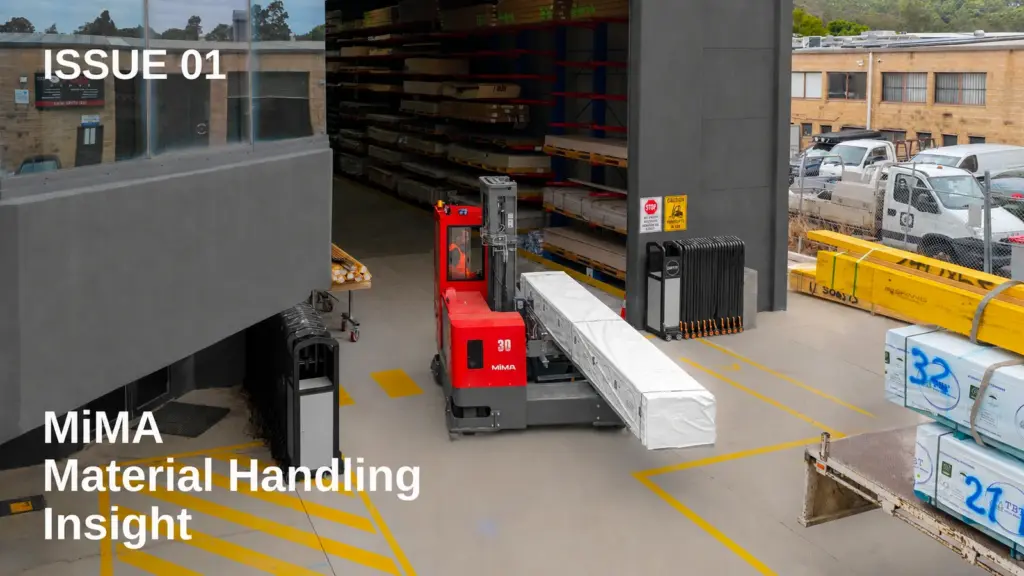
Long or big items are hard to move. Multi-directional forklifts make it easier. You can carry things like timber, steel tubes, or plastic profiles. You do not have to worry about hitting racks or walls. Sideloaders lift from the side, so you can move long items in small aisles.
| Forklift Model | Load Type | Application Area |
|---|---|---|
| Combilift C12000 | Long and bulky loads | Guided aisles, narrow aisles |
| HUBTEX Sideloaders | Long and bulky loads | Small spaces, warehouses, yards |
You do not need wide racks. You save space and can move more kinds of materials.
Productivity boost
You want your team to work faster and better. Multi-directional forklifts help with that. Some companies have 40% more storage and 30% better material handling after switching.
| Improvement Type | Percentage Increase |
|---|---|
| Storage Capacity | Up to 40% |
| Material Handling Efficiency | Up to 30% |
You spend less time turning and moving loads. You also damage fewer products because you handle them more gently.
Safety improvements
Safety is important in every warehouse. Multi-directional forklifts have special features to protect people and products.
- 360-degree visibility helps you see everything
- Load controls keep items safe
- Sensors spot obstacles and people
- Comfortable compartments help operators feel less tired
- Speed slows down in turns to stop accidents
- Seat sensors make sure only trained people use the forklift
- Telematics check safety and performance
These features help prevent accidents and make the warehouse safer for everyone.
Multi-directional forklift disadvantages
Higher initial cost
A multi-directional forklift costs more than a standard forklift. New forklifts can cost from $15,000 to over $100,000. Used forklifts are cheaper, usually 25% to 50% less than new ones. The price changes based on the type, size, and features you pick.
Tip: Make sure you plan your budget before buying. The higher price is because of advanced technology and special features for moving long or bulky loads.
Maintenance complexity
You must keep your forklift working well to avoid problems. Multi-directional forklifts have more parts and advanced systems. This means you may have more maintenance problems than with a standard forklift.
- Operators can have trouble in tight spaces, which may cause accidents or slow work.
- Keeping heavy loads balanced is needed to stop tipping.
- Electric forklifts may have battery and charging problems.
- Regular maintenance stops breakdowns, but it takes time and skill.
- Long use can make operators tired, which can be unsafe.
Some common problems are starting issues, steering trouble, hydraulic failures, and worn tires. You need to check these parts often to keep your forklift safe.
Operator training needs
Not everyone can drive a multi-directional forklift. Operators must finish special training to meet OSHA rules. Training has classroom lessons, hands-on practice, and a test.
- Good training helps your team work faster and safer.
- Operators learn to move in tight spaces and stack loads safely.
- Fewer mistakes and equipment problems happen when workers know what to do.
| Training Method | Description | Pros/Cons |
|---|---|---|
| Employer-Provided Training | Training at your workplace. | Easy and cheap, but not always available. |
| Online Courses | Online lessons with quizzes and exams. | Convenient, but you still need hands-on practice. |
| In-Person Courses | Classroom and real forklift practice. | Best for certification, but costs more than online. |
You should plan for extra time and money to train your staff before they use this equipment.
Limited application fit
A multi-directional forklift is best for some jobs. If you move long items like timber or steel beams, this forklift works well. If you mostly move small pallets or boxes, a standard forklift may be better.
Note: Check your warehouse and the loads you move. Not every workplace needs a multi-directional forklift. Site checks help you know if this equipment is right for you.
| Challenge Type | Description |
|---|---|
| Handling Long Loads | Needed for long items; standard forklifts struggle with these. |
| Risk of Product Damage | Multi-directional forklifts keep loads straight and lower collision risks. |
| Need for Specialized Training | Operators need extra training for safe use. |
| Importance of Site Assessments | You must check your site to make sure the forklift fits your space and safety needs. |
Potential downtime
Downtime can hurt your business. Multi-directional forklifts need regular checks and repairs to work well. If you skip maintenance, you may have sudden breakdowns.
- Predictive maintenance helps you find problems early.
- Use sensors and software to watch how your forklift works.
- Set alerts to warn your team about problems.
- Mix regular checks with data tracking for the best results.
Keeping your forklift in good shape lowers downtime and helps your warehouse run smoothly.
Choosing the right forklift
Application fit
Start by thinking about what you need to move. Look at the size and shape of your products. If you move long or big items, a multi-directional forklift is helpful. These forklifts work well in lumberyards and steel plants. They are also good for warehouses with narrow aisles.
- Measure your aisle width and racking height.
- Check your floor to see if it is smooth or rough.
- Pick a forklift that matches your daily jobs.
| Criteria | Description |
|---|---|
| Warehouse Layout | Pick a forklift that fits your space and jobs. |
| Load Capacity | Make sure it can lift your heaviest items. |
| Operational Terrain | Choose one that works on your floor type and surface. |
Budget considerations
Plan your budget before you buy a forklift. The cost is more than just the price you pay.
- Think about how much it costs to buy.
- Add money for repairs and upkeep.
- Count fuel or battery costs too.
- Remember the forklift loses value over time.
- Set goals for your money in the future.
Tip: Spending more at first can save money later if the forklift helps you work better.
Facility layout
Your warehouse layout changes how well a forklift works.
| Factor | Description |
|---|---|
| Aisle Width | Make sure aisles are wide enough for safe driving. |
| Floor Surface | Use forklifts on flat, smooth floors for best results. |
| Storage Height | Plan rack height for safe and easy lifting. |
| Lighting | Good lights help drivers see and avoid crashes. |
| Traffic Flow | Organize paths to save time and stop accidents. |
A smart layout helps you use space better and keeps everyone safe.
Staff expertise
Your team needs the right skills to use these forklifts.
- Train workers with hands-on lessons and safety tips.
- Use practice tools to help them learn.
- Give refresher classes often.
- Ask workers for ideas to make things safer.
- Keep training up to date with new forklift features.
| Training Component | Description |
|---|---|
| Comprehensive Training Program | Teach skills like balancing loads and steering. |
| Simulation Tools | Let workers practice in safe, pretend settings. |
| Ongoing Skill Development | Give more classes and check skills often. |
| Feedback Mechanism | Ask for ideas to make work safer. |
| Staying Updated | Update training with new forklift features. |
When you pick a forklift that fits your needs, budget, warehouse, and team skills, your warehouse will do better.
Multi-directional forklifts can turn and move in many ways. They are good at carrying long items in small spaces. These forklifts work best for jobs with timber or steel. Here is a simple table:
| Pros | Cons |
|---|---|
| Move in many directions | Drivers may not see everything |
| Carry long loads in narrow aisles | Loads can tip over when turning |
| Mix features from different forklift types | Moving sideways can make work slower |
| Good for timber and steel jobs | Need flat floors to work well |
You should think about your warehouse, money, and worker skills before you choose. Picking the right forklift keeps your business safe and working well.
FAQ
What is a multi-directional forklift?
A multi-directional forklift can go forward, backward, and sideways. It helps you move long or big items in small spaces. This forklift is great for warehouses with narrow aisles.
Do you need special training to operate one?
Yes, you need special training. You must learn to drive in different ways. You also learn how to move long loads safely. OSHA says you must finish training before using this forklift.
How does a multi-directional forklift improve safety?
You can see better with this forklift. It has safety features that help you stay safe. Sensors warn you if something is in the way. Speed controls help stop accidents. These features protect you and your team.
Can you use a multi-directional forklift outdoors?
Some models work outside. Check the guide from the maker. Make sure the forklift has the right tires for rough ground. Always look at the area before you drive.
Is a multi-directional forklift worth the higher cost?
If you move long or big items a lot, it is worth it. You save space and work faster. You also damage fewer products. If you move regular loads, a normal forklift may be better.
 EN
EN  DE
DE  FR
FR  ES
ES  IT
IT  PT
PT  JA
JA  KR
KR  AR
AR  RU
RU