





Warehouse racking systems play a key role in storage capacity, inventory accessibility, and operational efficiency. From conventional pallet racks to high-density storage and specialized systems for long materials, each configuration offers different advantages and limitations.
Choosing the right racking system also means selecting compatible material handling equipment. Factors such as aisle width, lifting height, load dimensions, and handling frequency determine which forklifts can operate effectively within a warehouse.
Understanding the characteristics and applications of different racking systems can help businesses select suitable forklifts and optimize warehouse operations.
Common Warehouse Racking Systems
Selective Pallet Racking
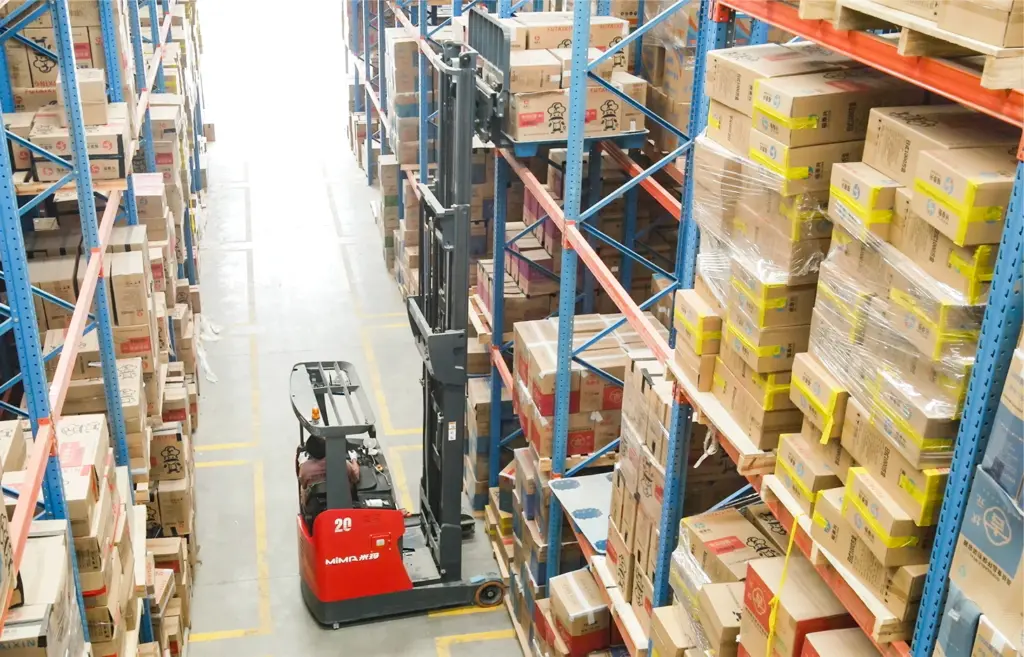
Selective pallet racking is one of the most widely used warehouse storage systems. Built with upright frames and horizontal beams, it provides direct access to individual pallet positions.
Its greatest advantage is flexibility. Operators can easily access different Stock Keeping Units (SKUs) without moving other pallets. The system is also relatively affordable and easy to install or adjust, making it ideal for distribution centers and warehouses with diverse inventories.
However, dedicated access aisles occupy considerable floor space, resulting in lower storage density compared with compact storage systems.
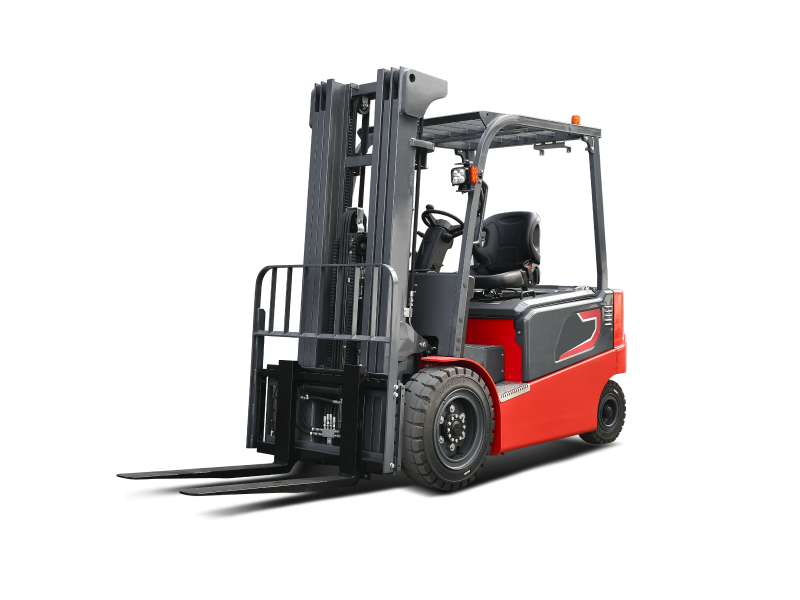
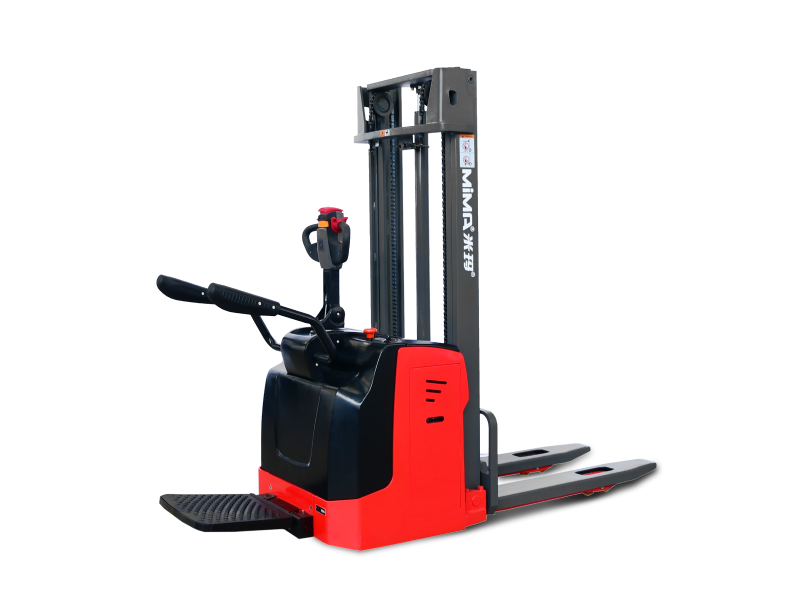
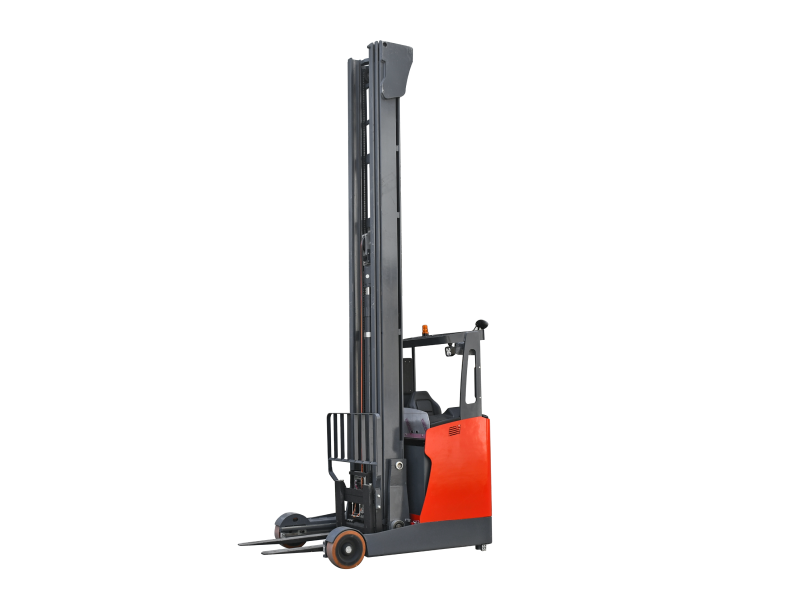
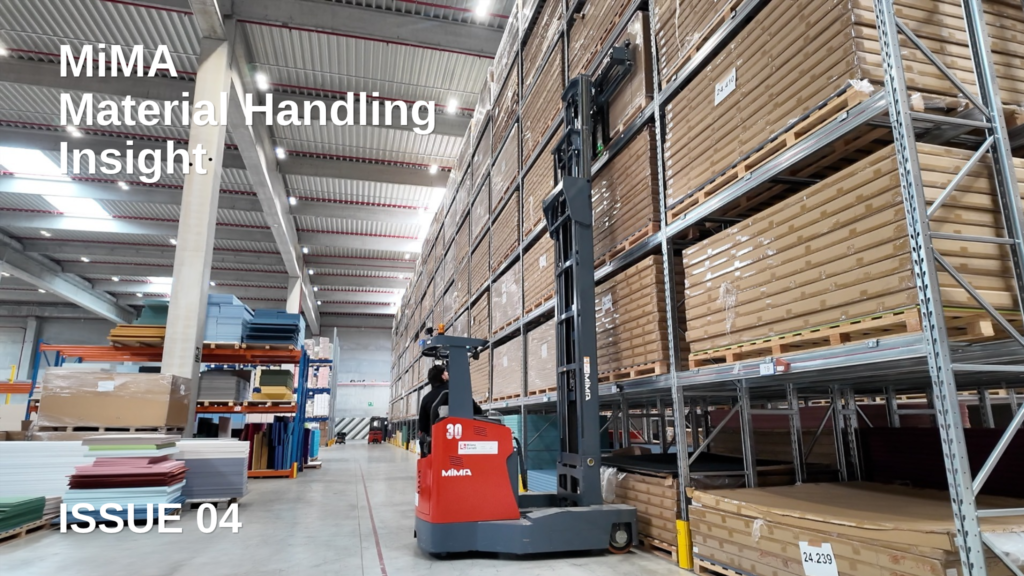
شاحنات الوصول إلى الشاحنات are commonly used for efficient stacking in relatively narrow aisles, while counterbalance forklifts handle pallet transportation and stacking where sufficient space is available. Electric stackers are also suitable for lighter loads and lower storage heights.
Cantilever Racking
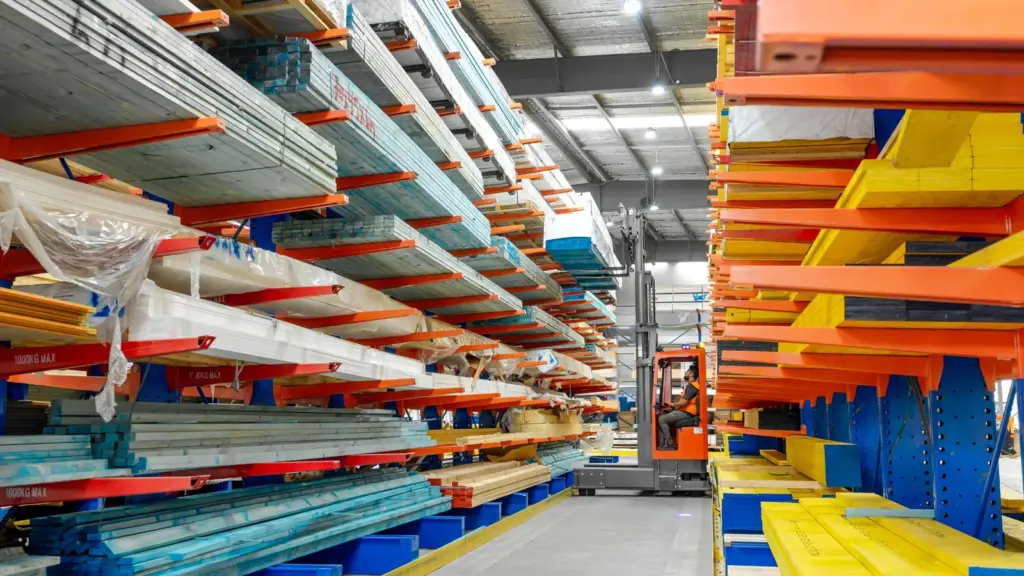
Cantilever racking is designed for long, bulky, or irregularly shaped materials such as steel pipes, aluminium profiles, timber, and structural components.
Its horizontal arms extend from vertical columns, creating an open-front structure that allows easy access to materials of different lengths. This makes it particularly suitable for steel processing, construction materials, and timber warehouses.
While flexible for long-load storage, cantilever systems require careful consideration of load weight, support points, and maneuvering space. Conventional forklifts may struggle to turn when carrying lengthy materials through narrow aisles.
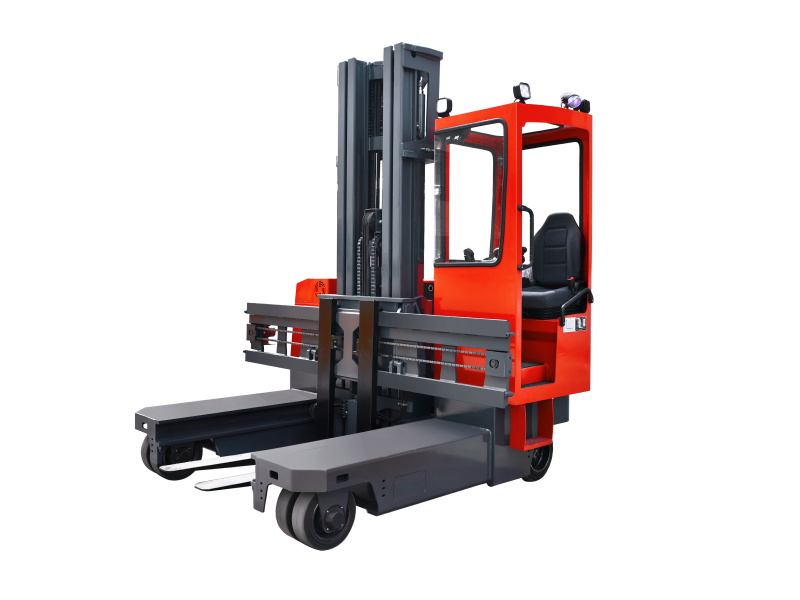
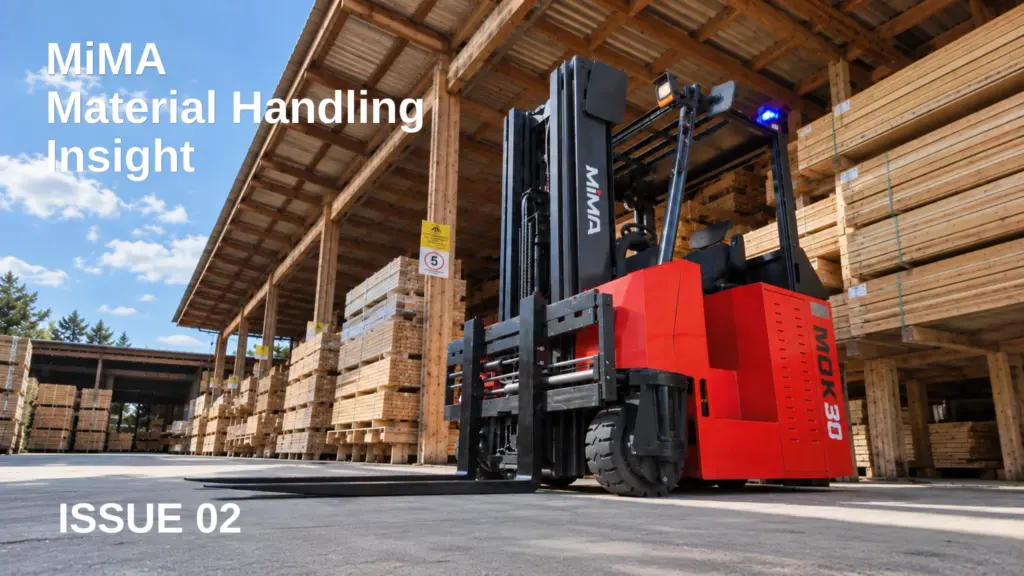
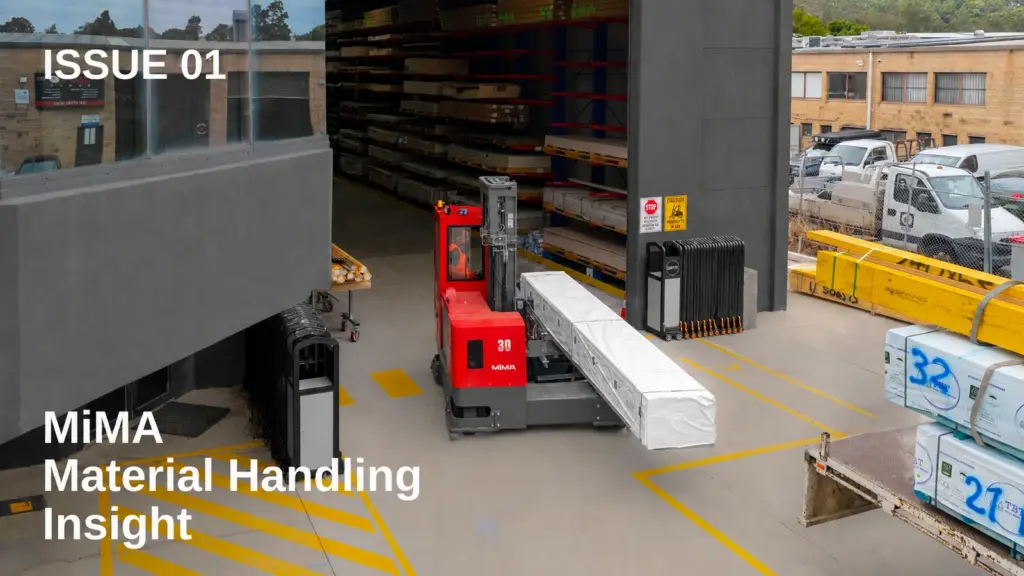
رافعات شوكية متعددة الاتجاهات address this challenge through sideways travel, allowing long loads to move lengthwise along aisles with less turning space. Side loaders are another option, particularly for transporting long materials alongside the vehicle.
Drive-In and Drive-Through Racking
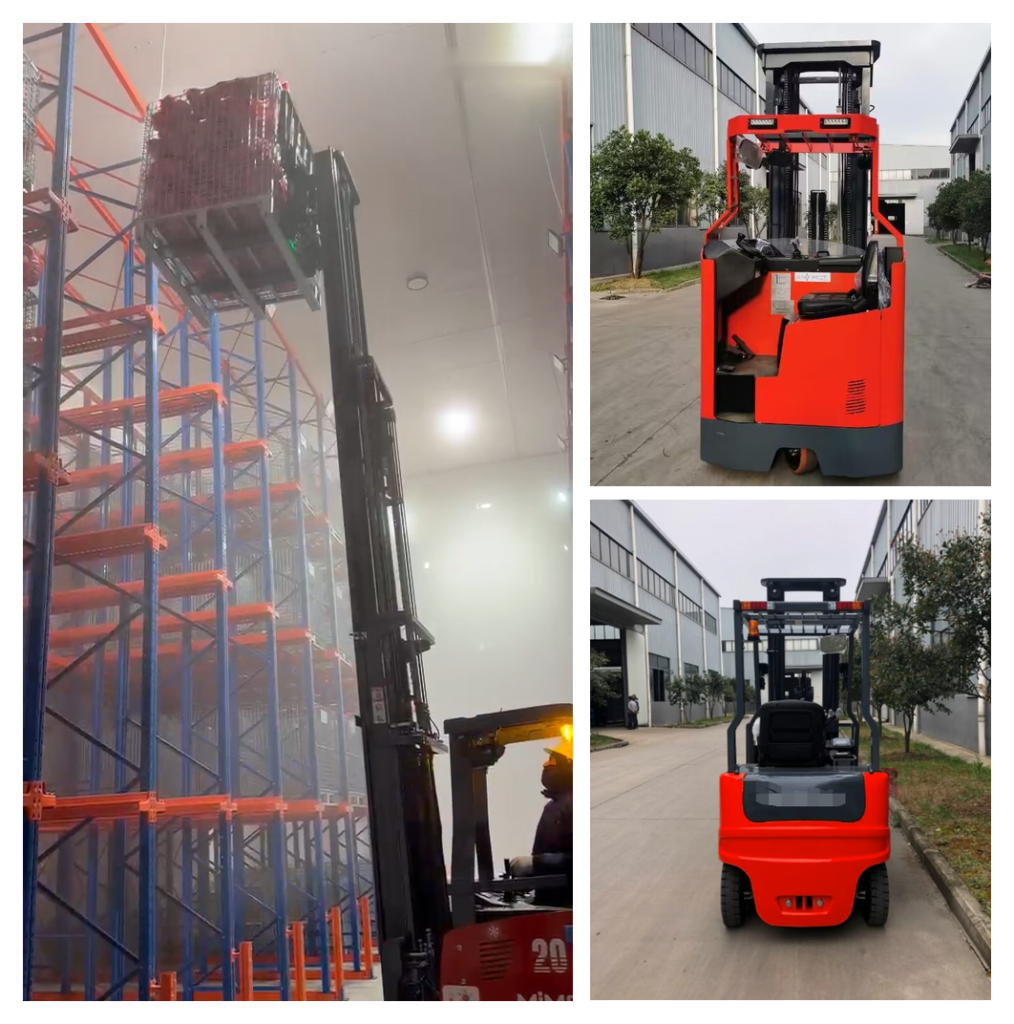
Drive-in racking maximizes storage density by allowing forklifts to enter rack lanes and store pallets several positions deep. With fewer conventional aisles, more floor space can be dedicated to inventory.
This configuration is especially suitable for warehouses storing large quantities of similar products, including cold storage and bulk distribution facilities.
Its main limitation is restricted pallet accessibility. Conventional drive-in systems typically follow LIFO (Last In, First Out), where the most recently stored pallet is retrieved first.
Drive-through racking offers access from both ends, allowing FIFO (First In, First Out) inventory rotation when loading and unloading take place from opposite sides.
Both configurations require forklifts capable of operating safely within the rack structure. Compact counterbalance forklifts are commonly used, while specially configured reach trucks may also be suitable when their support legs, mast, cabin and dimensions are compatible with the available clearance.
Very Narrow Aisle (VNA) Racking
الممر الضيق جداً (VNA) storage uses closely spaced pallet racks and specialized handling equipment to maximize horizontal and vertical warehouse space.
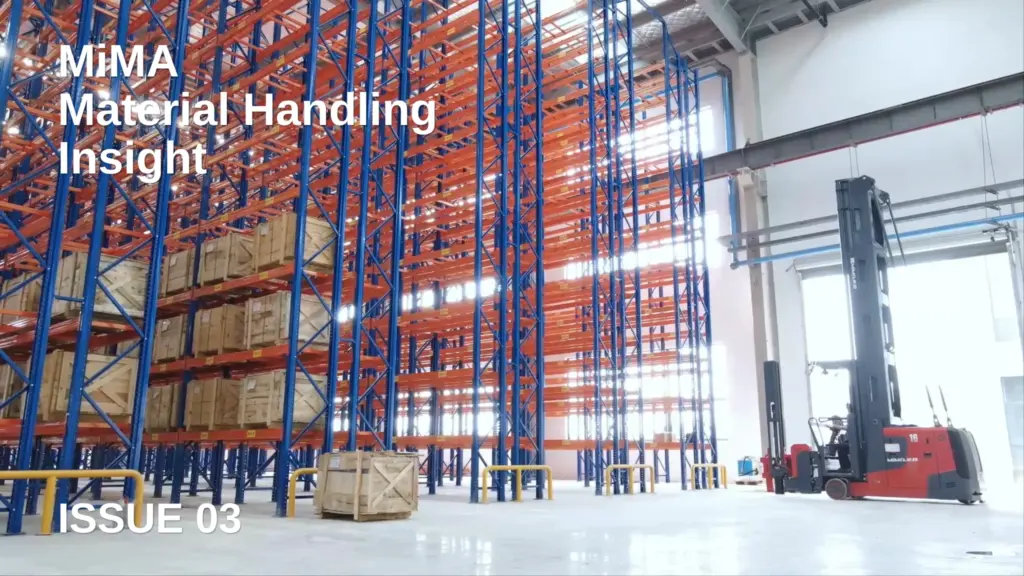
By reducing aisle widths while maintaining direct pallet access, VNA layouts offer high storage density without sacrificing inventory accessibility. They are particularly suitable for high-bay warehouses and distribution centers handling multiple SKUs.
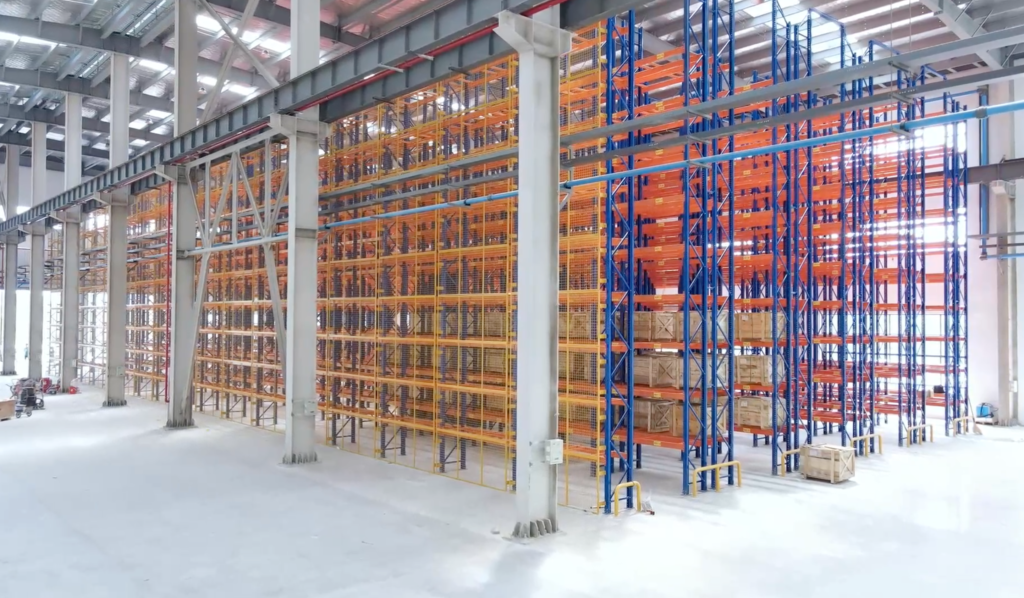
However, operating in extremely narrow aisles requires specialized forklifts, precise positioning, and suitable infrastructure, including floor conditions and guidance systems.
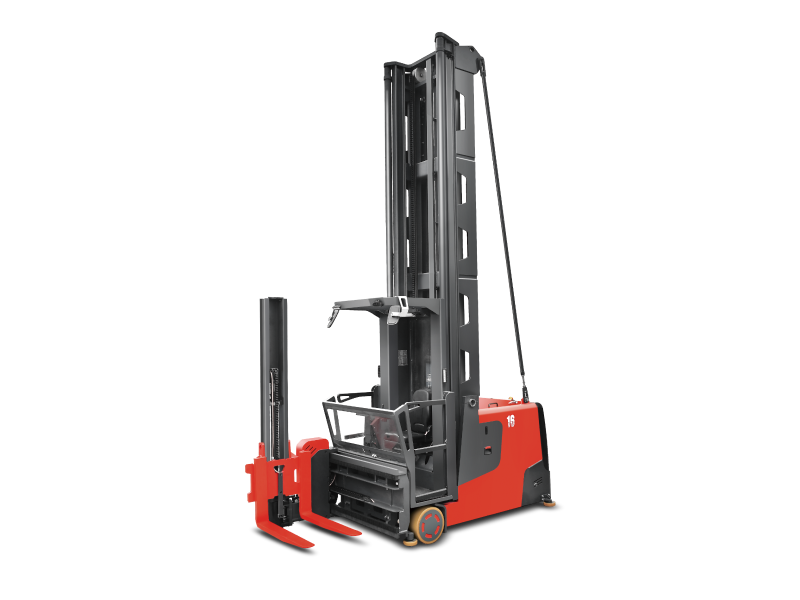
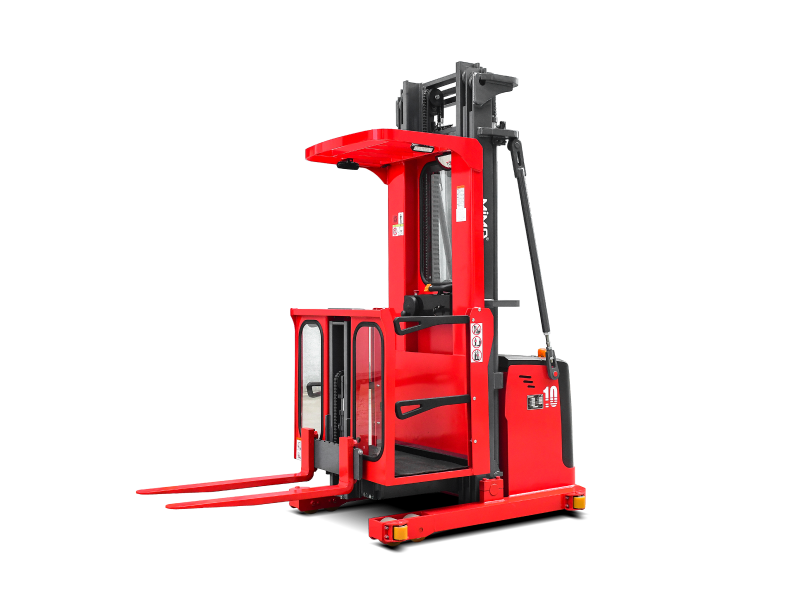
Man-up turret trucks feature elevating operator cabins and rotating, side-shifting forks, allowing high-level pallet handling on both sides of an aisle without turning the truck body.
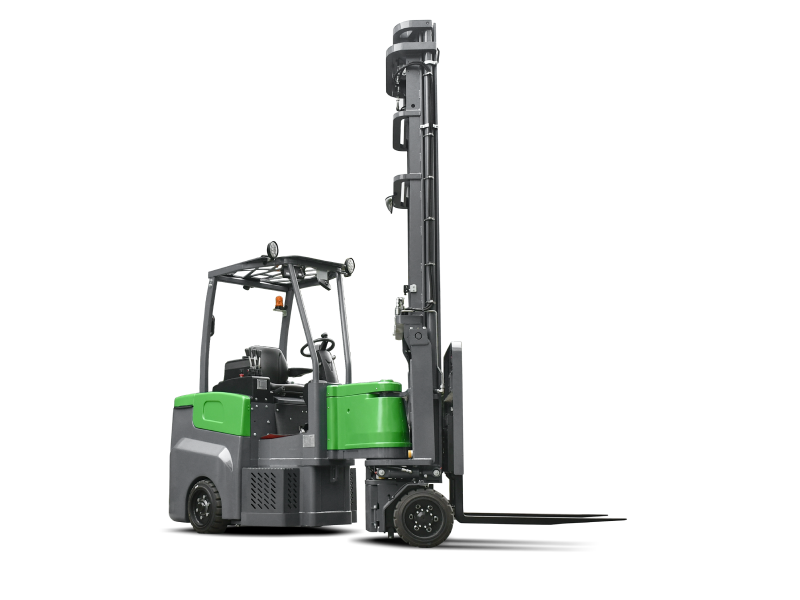
Three-way pallet stackers provide similar three-way handling with the operator remaining at floor level, while articulated forklifts offer narrow-aisle stacking capabilities with greater flexibility for movement between warehouse areas.
Double-Deep Racking
Double-deep racking stores pallets two positions deep, reducing the number of operating aisles and increasing storage density compared with conventional selective racking.
It is particularly suitable for warehouses storing multiple pallets of the same SKU, where direct access to every pallet is less important.
The primary limitation is access to rear pallets, which may be blocked by pallets in the front positions. This requires specialized forklifts with extended forward reach.
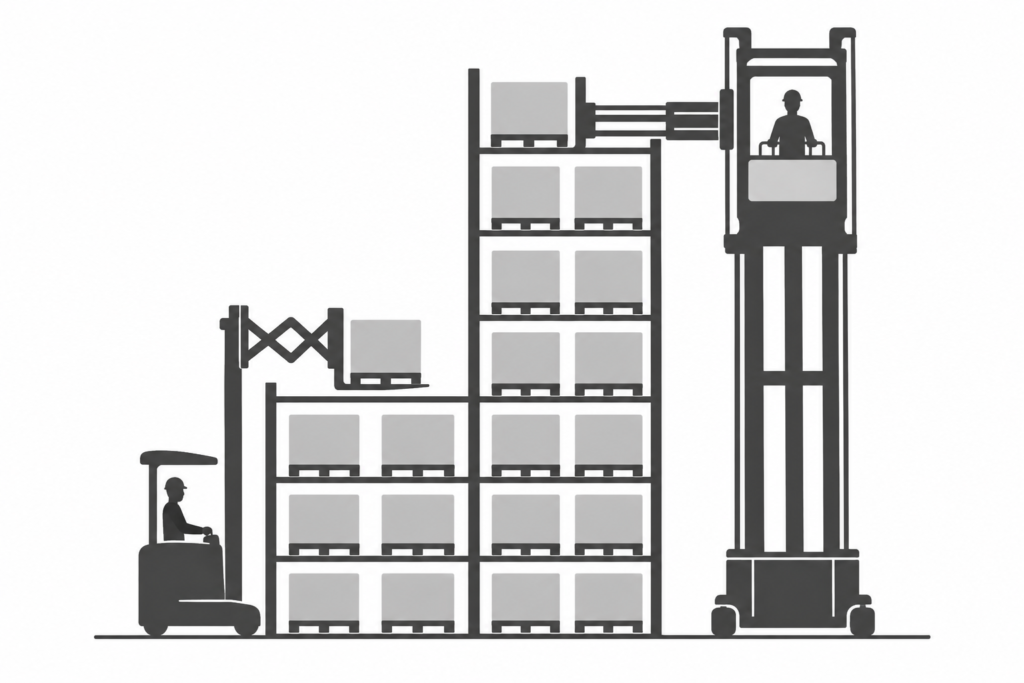
Double-deep scissor reach trucks use extended reach mechanisms to access rear pallet positions while remaining in the operating aisle. Specialized double-deep turret trucks can also support certain narrow-aisle configurations.
Fork reach, pallet dimensions, rack geometry, and residual load capacity are key considerations when selecting equipment.
How to Choose the Right Racking System and Forklift
The most effective warehouse configuration balances storage capacity, accessibility, and handling efficiency. Several factors should guide the selection process.
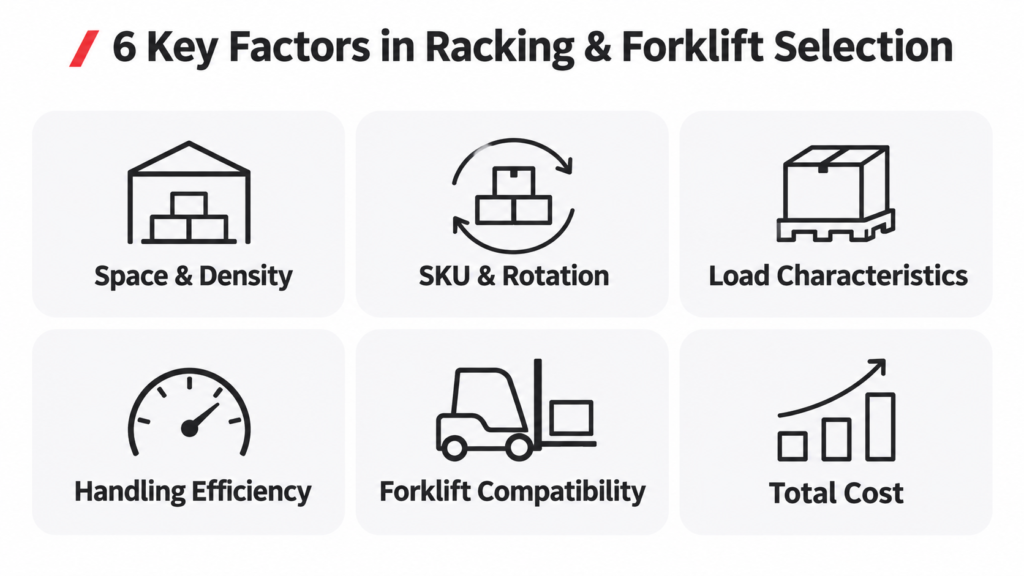
Storage density and available space determine how much inventory can be accommodated. VNA, double-deep, and drive-in systems help maximize storage capacity, while selective racking offers greater accessibility.
SKU variety and inventory rotation influence how goods should be stored and retrieved. Warehouses with diverse products often need direct pallet access, whereas bulk storage may prioritize density. FIFO and LIFO requirements also affect the choice.
Load characteristics, including weight, dimensions, and load center, determine racking and forklift requirements. Long materials, for example, may benefit from cantilever storage and multi-directional forklifts.
Handling frequency and operational efficiency should also be considered. Daily pallet movements, travel distances, and retrieval times affect productivity, particularly in high-throughput warehouses.
Finally, forklift compatibility and total cost of ownership are essential. Aisle width, lifting height, residual load capacity, and maneuverability must match the racking layout, while equipment investment and maintenance costs should be evaluated over the long term.
Matching Forklift Solutions to Different Racking Systems
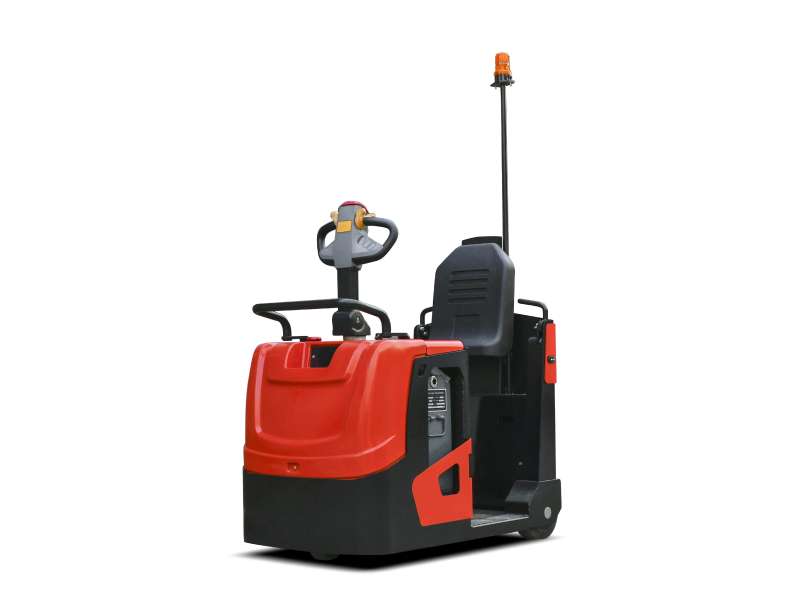
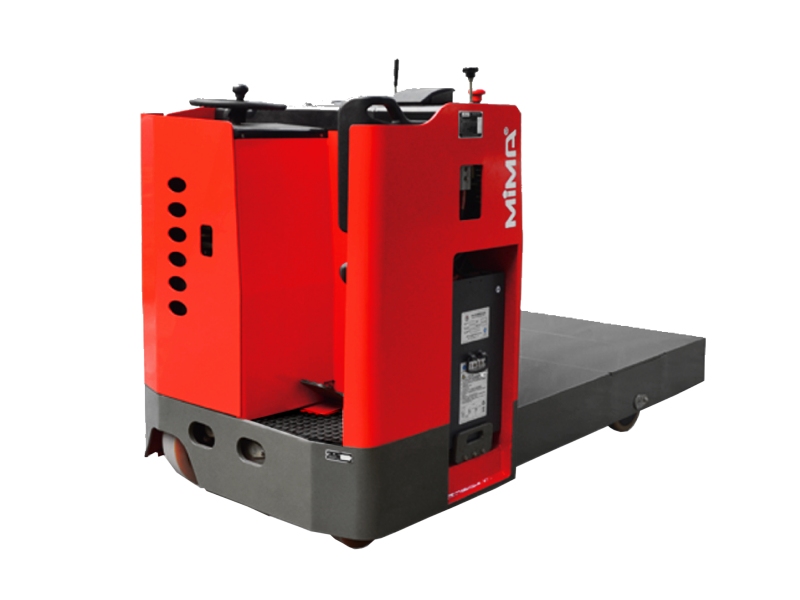
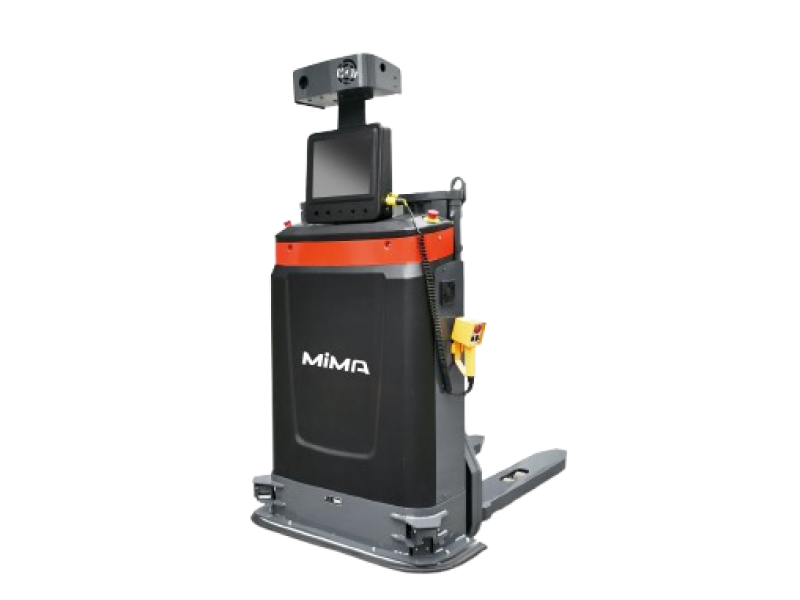
MiMA offers a range of electric forklifts for conventional warehousing, narrow-aisle storage, deep pallet access, and long-material handling. The following table outlines potential solutions for different racking configurations.
| Racking System | Suitable Forklift Types | MiMA Models | Key Selection Factors |
|---|---|---|---|
| Selective Pallet Racking | Reach Trucks, Electric Counterbalance Forklifts | MF / MFZ Series, MK Series | Aisle width, lifting height, load capacity |
| Cantilever Racking | Multi-Directional Forklifts, Multi-Directional Reach Trucks | MQ/MQB Series, MQZ Series, MQC Seires, MQK30/40 | Load length, load center, sideways travel |
| Drive-In / Drive-Through Racking | Compact Counterbalance Forklifts, Compatible Warehouse Trucks | Customized MK Series Forklift and MFZ reach truck | Truck dimensions, mast clearance, rack structure |
| VNA Racking | 3-Way Pallet Stackers, Articulated Forklifts | MCC series, MC/MCA16, MJ series | Aisle width, lifting height, fork configuration |
| Double-Deep Racking | Double-Deep Scissor Reach Trucks | MFE Series; customized MCC12; | Forward reach, rear pallet access, residual capacity |
From Racking Selection to Efficient Warehouse Operations
Different racking systems serve different storage needs, from flexible pallet access and high-density warehousing to specialized long-material handling. Their performance ultimately depends on choosing equipment that fits the warehouse layout and operating requirements.
With a product range covering reach trucks, VNA forklifts, articulated forklifts, and multi-directional forklifts, MiMA provides material handling solutions for a wide variety of warehouse applications.
Whether planning a new warehouse or improving an existing facility, matching the right racking system with suitable forklifts can help optimize space utilization and material flow.
Looking for the right forklift solution for your warehouse?
Explore our solutions at www.mimaforklift.com أو اتصل بنا sales@mimachina.com to discuss your application.
 AR
 EN
 DE
 FR
 ES
 IT
 PT
 JA
 KR
 RU